
Thumb Arthritis Splint: What Works, What to Wear, and How to Choose One
Meta description: Learn how a thumb arthritis splint can support the CMC joint, compare soft and rigid braces, and find out how to choose and wear one.
A thumb arthritis splint supports the base-of-thumb joint, called the CMC joint, to reduce pain during gripping and pinching. The best thumb arthritis splint is one that supports the joint and that you can wear consistently without losing the use of the rest of your hand.
What is thumb base arthritis?
The CMC joint sits where the thumb meets the wrist. A layer of cartilage normally cushions the bones there. With arthritis, this cartilage becomes thinner and the joint may become painful, stiff, or less stable.
The pain often increases with pinching and gripping because these actions place load through the thumb base. Opening a jar, turning a key, or holding a phone can bring it on.
Thumb base arthritis is common after 40 and is much more common in women after menopause. It can affect one or both hands. Age, joint structure, family history, and past injury can all play a part. It is not simply caused by typing.
Symptoms may include:
Pain or tenderness at the base of the thumb
A grating or grinding feeling when moving the thumb
Weakness, such as difficulty holding a jar
A bump or squared appearance at the base of the thumb
Trouble turning keys, opening jars, using door handles, holding a phone, driving, or gardening
Clinicians may describe the extent of joint changes using the Eaton stages. This is a way of classifying changes seen on an X-ray, from earlier joint changes to more advanced wear and altered alignment. The stage does not always match how much pain someone feels.
What can a thumb arthritis splint do?
A splint can support or limit movement at the CMC joint, helping reduce stress on it during painful tasks. It may make everyday activities more comfortable, but it cannot regrow cartilage or cure arthritis.
A splint is one part of a broader thumb arthritis treatment plan. That plan may include changing how you do aggravating tasks, pacing activities, hand exercises, or support from a hand therapist. A clinician may discuss an injection or surgery if symptoms remain troublesome despite other care. Splints work best as part of that wider plan rather than as the only thing you do.
Which type of thumb splint might suit you?
There is no single best thumb brace for arthritis for everyone. A useful choice depends on where you feel pain, how much support you need, the tasks you want to do, and whether you can tolerate wearing it.
Splint type | Support | Breathability | Can you use your fingers? | Can you shower? | May suit |
Neoprene sleeve | Light, flexible support and warmth | Usually moderate; can feel warm | Usually, though thumb movement may be limited | Usually remove it | People who want a soft option for activity |
Rigid thumb spica brace | Firmer support; may restrict more thumb or wrist movement | Often less breathable | Usually, but thumb use may be more restricted | Remove it unless specifically labelled waterproof | A painful flare, clinician-directed rest after an injection, or night support |
Custom thermoplastic splint | Firm support shaped to your hand | Depends on design; solid material can feel warm | Often yes, depending on how it is made | Usually remove it | People needing a tailored fit or more specific control |
Dynamic lightweight splint, such as Zero-Cast Tx | Combines a rigid element with flexible support: holds the CMC joint while the rest of the thumb moves | Open design allows airflow | Fingers remain free; the thumb's other joints stay mobile | The Tx is waterproof | People who want support while keeping their fingers available for tasks |
A rigid spica may be a better short-term choice when the aim is to rest the thumb more fully. A flexible or dynamic design may suit some people who want to keep using their hand. A hand therapist or clinician can help match the support to your joint, symptoms, and daily needs.
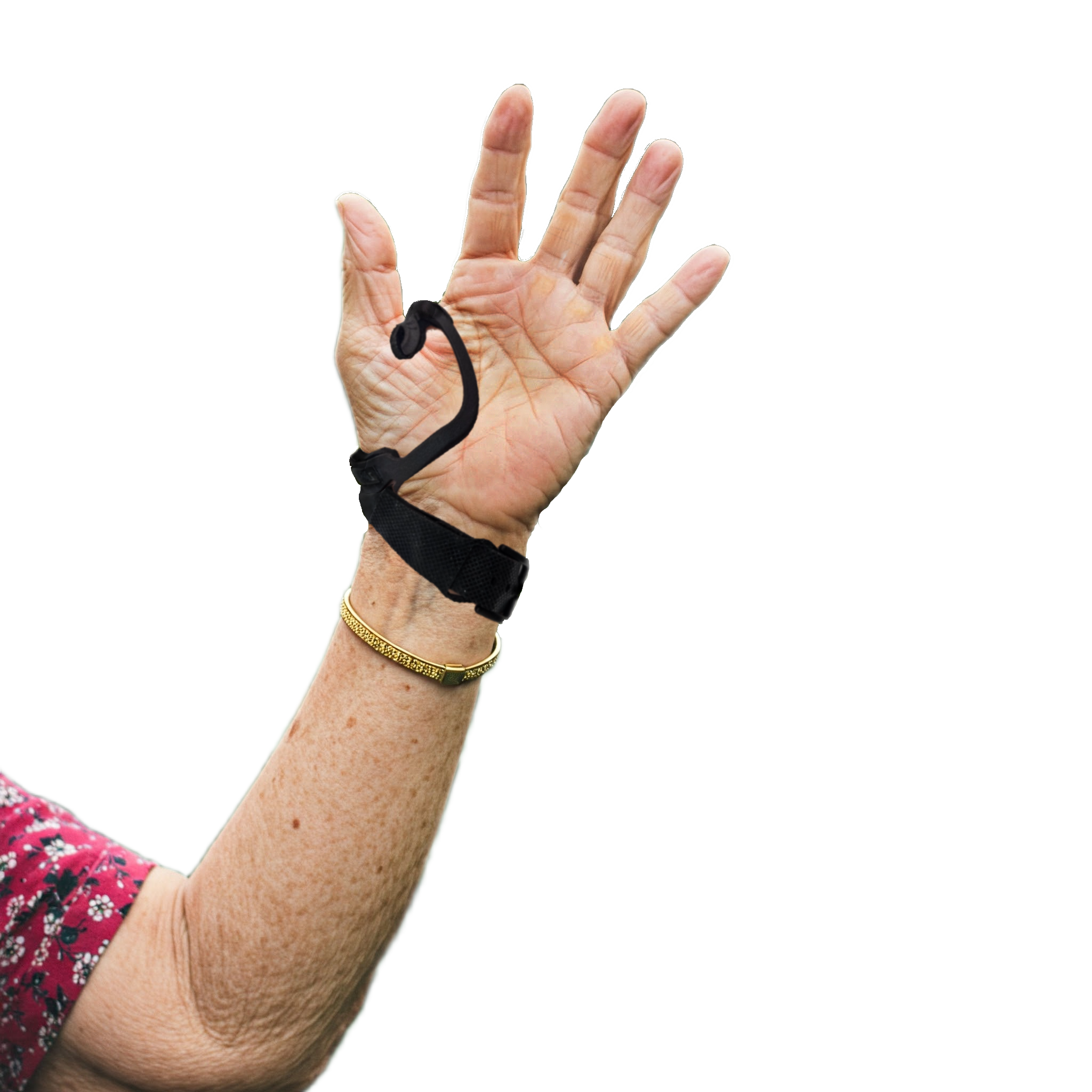
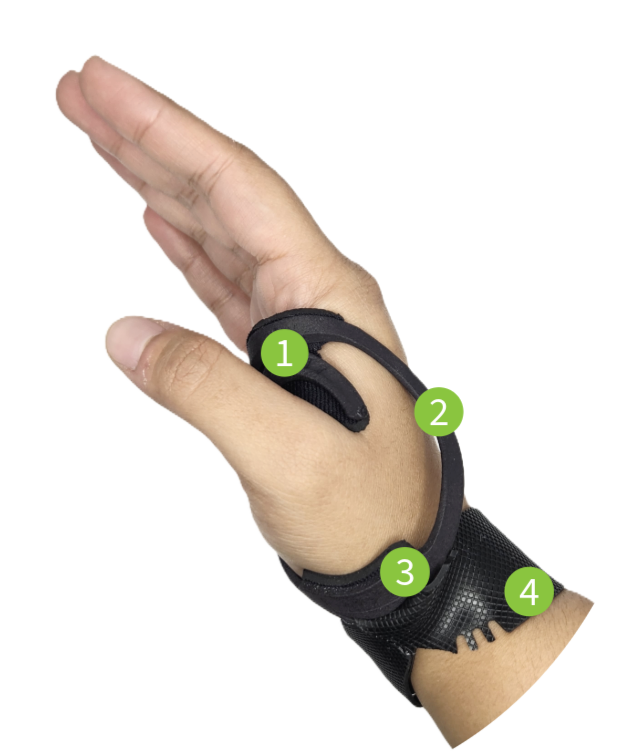
Some designs combine the two. The Zero-Cast Tx pairs a rigid corrective arch and wrist strap with a flexible cushioned cradle. The rigid element holds the CMC joint in a better alignment, while the thumb's other joints and the fingers stay free to move. Supporting the joint that way, rather than holding the whole thumb still, is what can help the visible deformity reduce over time without leaving the hand stiff.
How do you size and fit a thumb arthritis splint?
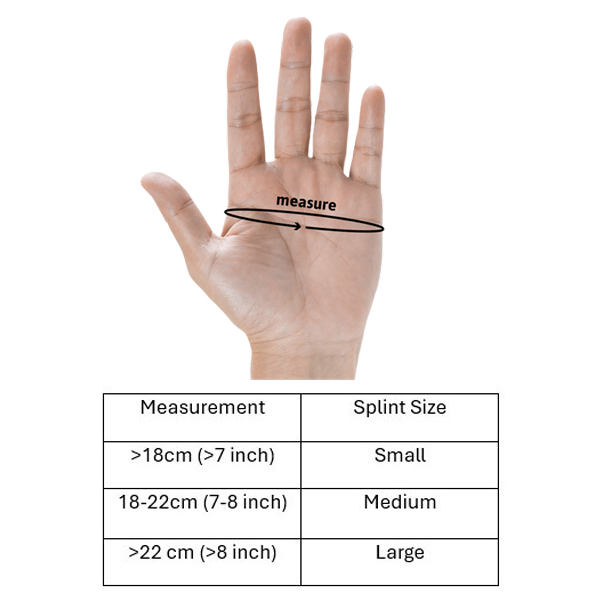
A splint should feel secure, not tight. For the Zero-Cast Tx, measure around your palm using the product’s sizing guidance:
Small: under 18 cm
Medium: 18–22 cm
Large: over 22 cm
Measure around the widest part of your palm, just below the fingers, as shown in the Zero-Cast size guide.
When fitting, the thumb cradle should sit under the base of the thumb, with the strap around the wrist. The fingers should stay free.
The splint should not pinch the web space between your thumb and index finger or press painfully on the thumb base. It should not cause numbness, tingling, colour changes, or swelling. If it does, loosen or remove it and check the fit. Ask a clinician or hand therapist for help if you are unsure.
How long should you wear a thumb splint?
For many people, wearing a splint during activities that trigger pain is more practical than wearing it all day and night. Some clinicians may suggest night wear to rest the joint, especially if pain disturbs sleep. Follow the advice given for your situation.
Give a new approach time: improvement is usually assessed over weeks, not days. If you use a well-fitted splint consistently and are not improving after 4 to 6 weeks, check in with a clinician or hand therapist. They can review the fit, your activity plan, and whether another treatment may help.
How can you manage everyday tasks while wearing one?
A splint may help with some activities, but it will not make every task comfortable. Try it for the movements that usually trigger pain, and adjust how you do the task where possible.
Jars and cooking: Use a jar opener, a wider grip, or both hands. Avoid forcing a painful pinch.
Keys and door handles: Consider a larger key grip or a lever-style handle where practical.
Phones: Use voice control, a stand, or two hands to reduce sustained gripping.
Driving: Check that you can hold the steering wheel and operate controls safely before driving. Do not drive if the splint limits control.
Gardening: Use padded handles and take breaks from forceful gripping.
Sleeping: If night pain is an issue, ask whether a resting splint is appropriate and make sure it does not feel tight.
Skin care: Keep skin clean and dry beneath a non-waterproof splint. Check for rubbing or redness, especially when you first start wearing it, and follow the device’s cleaning instructions.
When should you see a doctor?
Seek medical advice for sudden severe pain, or a joint that is red, hot, or swollen. These symptoms can have causes other than arthritis and may need prompt assessment.
Also seek advice if you have numbness or tingling in your thumb or index finger, if the thumb locks or seems to dislocate, or if pain began after an injury. Pain after an injury may be due to a fracture or ligament injury, not arthritis. Arrange a review if symptoms are not improving despite consistent splint use.
Frequently asked questions
What is the best splint for thumb arthritis?
The best option depends on the support you need, your activities, and what feels comfortable. A soft brace may be enough for activity-related discomfort, while a rigid or custom splint may suit someone who needs firmer support or rest.
Should I wear a thumb splint at night?
Some people find night wear helpful, particularly when pain disturbs sleep. Others may only need a splint during painful activities. Ask a clinician or hand therapist which schedule fits your symptoms.
Can a thumb splint cure arthritis?
No. A splint does not reverse cartilage wear. It can support the joint and may reduce pain during activities, as part of a wider management plan.
Which is better, a soft or rigid thumb brace?
A soft brace allows more movement and may feel easier during daily tasks. A rigid brace provides firmer support and can be useful when more rest is needed. The right choice depends on the person and the purpose of wearing it.
Can I drive with a thumb splint?
Only if you can grip the wheel and use controls safely, and the splint does not restrict your control of the vehicle. Follow local driving rules and seek advice if you are unsure.
How long should I try a thumb splint before reviewing it?
A splint usually needs to be used consistently over several weeks to judge whether it helps. If you are not improving after 4 to 6 weeks, ask a clinician or hand therapist to review the fit and your treatment plan.
What to do next
Notice which activities trigger your thumb pain, then consider whether changing the task or using a well-fitted splint helps. If symptoms persist, worsen, or are hard to explain, arrange a clinical assessment.
The Zero-Cast Tx is a dynamic, adjustable thumb orthosis with a cushioned cradle, corrective arch, and wrist strap. It is waterproof and leaves the fingers free. See the Zero-Cast Tx details and fitting instructions.
This article is for general information only and is not a substitute for medical advice, diagnosis, or treatment.

Comments