
Mallet Finger Splint: How to Wear It, How Long, and What to Expect
A mallet finger splint holds the fingertip straight, keeping the distal interphalangeal (DIP) joint in extension so the injured tendon can heal. It is usually worn continuously for around 6–8 weeks, though the right schedule depends on the injury and your clinician’s advice.
What is mallet finger?
Mallet finger happens when the fingertip droops and you cannot actively straighten it. It can follow a seemingly small incident: a ball hitting the end of your finger, a finger caught in a door, or even bedding catching and bending the tip.
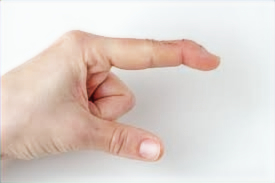
The tendon that straightens the fingertip is called the extensor tendon. If the fingertip is forced down, the tendon may stretch or tear where it attaches to the bone. Sometimes it pulls a small piece of bone away with it, which is called an avulsion fracture, or a bony mallet. An examination and sometimes an X-ray can help establish what is injured and whether the joint is aligned.

Most closed mallet injuries are treated with a splint, but the fit and positioning matter. The splint should hold the DIP joint straight while leaving the middle joint, the PIP joint, free to bend. Your healthcare professional can confirm that the splint is appropriate for your injury.
How to wear a mallet finger splint correctly
The goal is to keep the end joint fully straight, not bent down. The splint should feel secure but not tight, and it should not cause numbness, tingling, or a change in finger colour. Don’t force the fingertip backward beyond a straight position.
If you need to remove the splint for skin care, keep the fingertip supported and straight throughout the change. If it bends, contact your clinician for advice; you may need to adjust the treatment plan.
How to put it on
Rest your hand on a flat surface and support the injured fingertip so it stays straight.
Position the splint over the end joint as instructed. It should not restrict the middle joint.
Secure it snugly without pressing so tightly that the skin becomes numb, discoloured, or uncomfortable.
Check that the fingertip remains straight and that you can bend the middle joint.
Follow your clinician’s instructions for checking fit, cleaning, and follow-up.
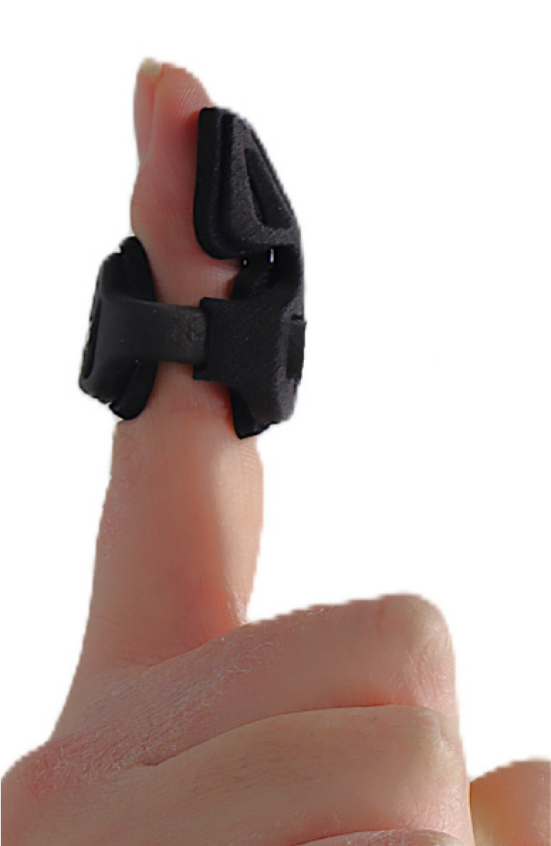
The Zero-Cast F1x sits over the end joint, holding it straight with the fingertip left free.
Mallet finger splint: how long do you wear it?
A common plan is continuous splinting for 6–8 weeks. Some injuries need longer, occasionally up to 12 weeks, depending on the tendon or bone injury and how it is healing. Your clinician may then recommend a gradual transition, such as wearing the splint at night or during higher-risk activities. Don’t switch to night-only use or stop early without being advised to do so.
Time after injury | What may be happening | What’s usually allowed |
Week 0–2 | The injured tendon or bone is beginning to heal; the splint is fitted and checked. | Keep the DIP straight and wear the splint continuously, including at night. Move the other joints if your clinician says it is safe. |
Week 2–6 | Healing continues while the fingertip is protected. | Continue full-time wear. Remove it only for instructed skin care, keeping the fingertip supported and straight. |
Week 6–8 | Your clinician may assess whether the injury is ready for a change in routine. | Continue splinting unless advised otherwise. A clinician may introduce guided movement or a gradual change in wear. |
After week 8 | Recovery and strength may continue; some injuries need more protection. | Follow your care plan. Night-time or activity-only wear may be recommended for a period; some people need longer splinting. |
Protocols vary, especially between soft-tissue and bony injuries. For example, MedlinePlus aftercare guidance describes continuous splinting for several weeks and possible night wear afterward, while Cambridge University Hospitals’ programme sets out different timelines for bony and soft-tissue injuries.
Mistakes that can delay healing
Taking the splint off to sleep or wash without keeping the fingertip supported.
Letting the tip bend, even briefly, while changing or cleaning the splint.
Wearing a splint that is too loose to keep the fingertip straight, or so tight that it affects comfort or circulation.
Placing it over the wrong joint or preventing the middle joint from moving.
Stopping because the finger looks straight. The tendon may still need protection.
Types of mallet finger splints
There isn’t one best splint for mallet finger for everyone. The best choice is one that fits your finger, is tolerable enough to wear as directed, and holds the DIP joint in the position your clinician recommends.
Type | Comfort | Breathability | Hygiene | Adjustability | Best for whom |
Stack splint | Simple fit; comfort varies by finger shape | Usually limited around covered skin | Can be awkward to clean underneath | Limited; sizing is important | People who need a readily available prefabricated option that fits well |
Dorsal or volar padded splint | Padding may improve comfort; pressure points can occur | Varies by design and padding | Skin checks and careful drying are important | Often secured with tape; fit may need adjustment | People whose clinician finds this style suitable for their finger |
Custom thermoplastic splint | Can be shaped to the individual; comfort depends on fit | Depends on the design | May be removed for care only as instructed | Can often be reshaped by a trained professional | People needing a tailored fit or adjustment |
Modern removable fingertip splint | Varies by design and fit | Some designs have open or ventilated areas | Access and cleaning depend on the model | Some designs allow clinician-guided adjustment | People whose clinician confirms it supports the injured DIP joint correctly |
No design replaces correct positioning and consistent wear. A splint intended for a different finger injury may not hold the fingertip in the right position for mallet finger.
Living with the splint
Showering and handwashing: Keep the splint and skin dry if that is what your care instructions recommend. If you remove the splint to wash, do so only as instructed and support the fingertip straight throughout. Dry both skin and splint thoroughly before putting it back on. The NHS cleaning guidance explains one approach to removing, cleaning, and reapplying a splint safely.
Sleeping, typing, and work: Wear the splint at night if prescribed. Typing or light tasks may be manageable, but avoid activities that knock or bend the fingertip. Manual work may need modification; ask your clinician about your specific duties.
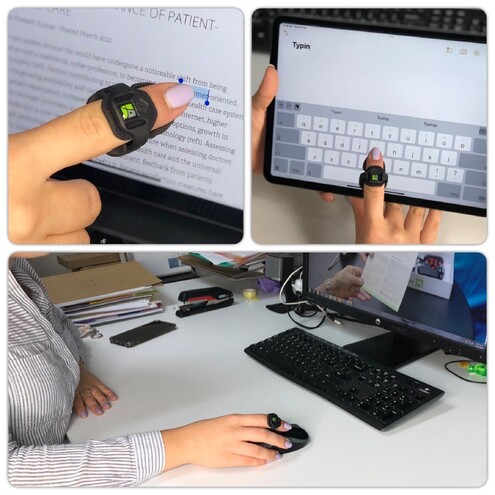
Driving and sport: Don’t drive unless you can safely control the vehicle with the splint on, and check local requirements and your insurer’s advice. Avoid contact sport or activities that risk a direct hit until your clinician says it is safe.
Skin care, itching, and smell: Keep the skin dry and check it regularly when you clean the finger. Itching, persistent soreness, wet or damaged skin, or a splint that becomes uncomfortable are reasons to ask for a fit check, not to pad or alter it in a way that changes the finger position. Don’t scratch under the splint with sharp objects.
Mallet finger in children
Children can injure the growth plate as well as the tendon, and some nail-area injuries need prompt assessment. A clinician may recommend imaging and closer follow-up. Keeping the splint on continuously can also be harder for a child, so caregivers may need to help with daily checks and make sure the fingertip stays straight during cleaning. Ask the treating team about school, sport, and the child’s specific follow-up plan.
When to see a doctor
Get medical advice promptly if the injury is open, the fingertip is numb or changing colour, or pain and swelling are worsening. Arrange an assessment if the tip has dropped and you cannot straighten it; an X-ray may be needed to check for a bone fragment or a joint that is out of alignment (subluxed). Also contact your clinician if the skin becomes increasingly red or sore, the splint no longer holds the finger straight, or there is no improvement by the end of the recommended splinting period.
Frequently asked questions
Can I take my mallet finger splint off to wash my hands?
Only follow the removal instructions given by your clinician. If it is removed for skin care, keep the fingertip supported and straight the entire time, then dry the skin and splint before reapplying it.
Do I need to wear a mallet finger splint at night?
Usually, yes, during the continuous-wear phase. Your clinician may later advise night-only wear, but don’t change the schedule on your own.
What happens if my fingertip bends while I change the splint?
Bending can stretch the healing tendon. Keep the fingertip supported during changes and ask your clinician what to do if it bends; don’t decide by yourself whether to restart or extend treatment.
How long does recovery take?
Splinting typically lasts 6–8 weeks, sometimes longer. Tenderness, stiffness, and swelling may take additional time to settle, so the end of splinting does not always mean the finger feels completely normal.
Can I type, work, or drive with a mallet finger splint?
It depends on the fit, your comfort, your job, and whether you can safely control a vehicle. Follow your clinician’s advice and avoid tasks that put the fingertip at risk.
Which splint is best for mallet finger?
The right splint is one that fits and reliably holds your DIP joint straight. A clinician can help choose between a stack, padded, custom, or modern fingertip design.
Zero-Cast’s F1x fingertip splint is designed for fingertip injuries, including mallet injuries and Boutonnière deformity. It holds the end joint in extension with an anatomically contoured plate, leaves the fingertip free of the splint, and uses a waterproof, ventilated high-density cushion lining with breakable ratcheted legs so a clinician can fine-tune pressure. The F2x covers other finger injuries such as volar plate injuries, dislocations and phalangeal fractures. Ask a healthcare professional which product, if any, is appropriate for your injury.
This article is for general information only and is not a substitute for diagnosis or personalised medical advice. Follow your healthcare professional’s instructions for assessment, splint fitting, and treatment.

Comments